

Photovoltaic Panels UK: How PV Technology Powers British Homes
Over 1.5 million UK homes now have solar panels generating their own electricity from the sun. Installation costs have fallen significantly, grid electricity prices have risen sharply, and energy independence is increasingly seen as both financially and environmentally sensible.
The UK Government’s Clean Power Plan targets around 47GW of solar power by 2030, and the Warm Homes Plan is set to make low and zero-interest loans available for installing solar panels, making now a particularly good time for homeowners to understand what solar photovoltaic technology can deliver. This article covers how photovoltaic panels work, what they cost, how solar panels perform in the British climate, and what the installation process involves.
Key Takeaways
- Photovoltaic panels convert sunlight into electricity using the photovoltaic effect, they generate electricity on cloudy days as well as in direct sunshine.
- A typical 4kWp solar PV system can save a UK household several hundred pounds a year on electricity bills and earn additional income through the Smart Export Guarantee.
- South-facing roofs produce the most electricity, but east and west-facing installations with solar panels still deliver genuine financial savings.
- Most UK residential solar panel installations qualify as permitted development and do not require planning permission.
- Tethys Energy has helped homeowners across Berkshire and the South East install solar panels for over 10 years, with in-house expertise spanning nearly 20 years.
What Are Photovoltaic Panels?
Photovoltaic panels, commonly called solar panels or PV solar panels, are devices that convert sunlight directly into electricity using the photovoltaic effect. They are made up of individual PV cells manufactured from layers of semi-conducting silicon material, which generate an electrical charge when exposed to light. These PV cells are grouped into modules combined into the solar panels that make up a complete solar panel system on your roof. It is worth being clear on terminology: photovoltaic PV panels generate electricity, while solar thermal panels generate heat for hot water.
Most solar panels installed in UK homes today are monocrystalline, offering efficiency ratings of 20 to 24% and converting a greater proportion of available daylight into clean electricity from a given area of roof space. Polycrystalline panels offer a lower-cost alternative. A standard residential solar panel system involves 3kWp to 6kWp depending on roof space, energy use, and budget, with panels fixed using mounting systems designed to suit different roof tiles and structures. When you buy solar panels, system size should always be based on a proper assessment of your household’s energy use rather than simply fitting the maximum number of panels possible.
How Photovoltaic Technology Works

Understanding how solar panels work helps homeowners make better decisions about system size, battery storage, and how to cut energy bills as much as possible.
From Sunlight to Usable Electricity
Sunlight hits the surface of the solar panels and is absorbed by the individual PV cells within them. The silicon material generates an electrical charge, causing direct current (DC) electricity to flow through the solar panel system’s wiring to the solar inverter. The inverter converts this into alternating current (AC electricity), which is distributed via the consumer unit to power the home in real time. Every kilowatt hour of solar electricity generated directly offsets grid electricity, reducing electricity bills immediately. Most solar panels work on overcast days too, as PV cells respond to available daylight rather than direct sunshine alone, so solar panels perform throughout the year.
What Happens to Surplus Electricity
When solar panels generate more electricity than the household is using at that moment, the excess electricity has three destinations. It can be exported to the grid via the Smart Export Guarantee, earning an export tariff from the energy supplier. It can be stored in a battery storage system, one of the most energy efficient ways to maximise self-consumption from your solar panels. Or excess solar energy can be diverted to a hot water tank or immersion heater via a solar diverter to heat water, making use of extra electricity that would otherwise be wasted. A smart meter tracks how much electricity the solar panels are generating, how much is being consumed, and how much surplus electricity is being exported.
Benefits of Installing Solar Panels in the UK
Solar power offers a strong combination of financial and environmental benefits for UK homeowners. Here is what installing solar panels can deliver:
- Reduced electricity bills through direct use of solar electricity generated by the panels
- Income from surplus electricity exported via the Smart Export Guarantee
- Lower carbon footprint, a typical solar panel system saves around one tonne of carbon dioxide emissions and carbon emissions more broadly each year
- Protection against rising energy costs by reducing reliance on fossil fuels and grid electricity
- Compatibility with battery storage, heat pumps, electric vehicles, and hot water systems for a complete low carbon home energy solution
- Minimal maintenance and a system lifespan of 25 years or more, making solar panels a genuinely future homes-ready upgrade
A typical 4kWp solar panel system can save a UK household several hundred pounds per year on electricity bills, with exact financial savings depending on consumption patterns and the prevailing energy tariff. The Smart Export Guarantee allows homeowners to sell electricity back to the grid through a licensed energy supplier, creating an additional income stream on top of direct bill savings. Alongside wind farms and other low carbon technologies, solar panels are a key part of the UK’s shift away from fossil fuels, and for homeowners, they are one of the most practical and cost effective ways to participate in that transition.
Cost and Savings of Solar Panels in the UK
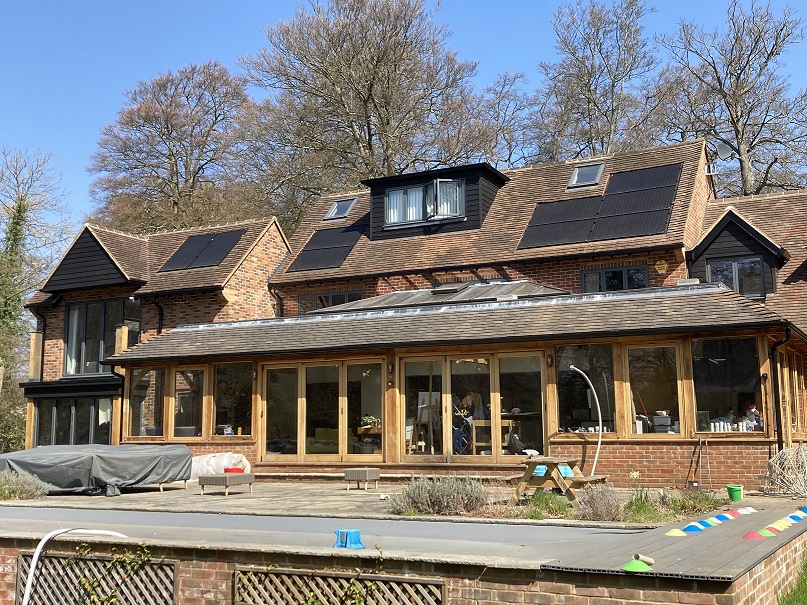
A typical 3.5kWp solar panel system costs in the region of £6,000 to £7,000 installed. Larger solar PV systems of 4 to 6kWp cost more depending on panel specification, roof complexity, and whether battery storage is included. Installation costs vary by property, so a site-specific quote is always recommended when you buy solar panels rather than relying on national averages. VAT relief on residential solar panels further reduces the effective cost, and the Warm Homes Plan looks set to expand access to finance for more homeowners in the coming years.
Based on current energy costs and SEG rates, most solar panel systems can recover installation costs within approximately ten to fifteen years, after which the electricity generated is effectively free. With a lifespan of 25 years or more, the long-term financial return from solar panels, combining savings on electricity bills with SEG export income, is substantial. How much electricity the system generates annually, and how much of that is consumed directly, determines the exact payback timeline for each household.
Factors Affecting Solar Panel Performance in the UK
The UK climate is often cited as a barrier to solar investment, but solar panels perform effectively here because they respond to available daylight, not just direct sunshine. Solar panels generate electricity throughout the year, including on overcast days, with summer months delivering the highest output.
Orientation, Pitch, and Location
A south facing roof at a pitch of 30 to 40 degrees produces the maximum output from solar panels. East and west-facing installations generate less electricity but still deliver genuine savings and are well worth considering. North-facing roofs are generally not recommended as the reduction in energy production is too significant. Homes across Berkshire and the South East benefit from more annual sunshine than northern regions, strengthening the financial case for local homeowners. Solar panels also perform slightly better in cool conditions than in intense heat, making the UK’s moderate climate more energy efficient for PV technology than many people expect.
Shading and Roof Considerations
Shading from chimneys, trees, or neighbouring buildings can noticeably reduce the output of solar panels, particularly where panels are wired in series. Modern DC optimisers and micro-inverters allow each panel to operate independently, reducing shading losses significantly. A thorough site survey identifies any shading issues before the solar panel system is designed, and assesses the condition of roof tiles and the suitability of the roof structure for mounting systems.
Why Choose Tethys Energy for Your Solar Panels
Tethys Energy is a trusted solar photovoltaic specialist with more than a decade of experience helping homeowners across Berkshire and the South East install solar panels, with in-house expertise spanning nearly 20 years.
We are MCS certified, use our own fully qualified installation teams with no subcontract labour, and manage every stage from initial consultation through to long-term aftercare. We offer an extensive range of renewable energy solutions including solar panels, battery storage, Tesla Powerwalls, hot water storage, heat pumps, and EV chargers as part of a complete home energy package.
Every solar panel system is designed around the specific property, roof space, orientation, shading, and energy use, with transparent pricing, flexible payment options, and a workmanship guarantee on every installation. Contact us today for a free consultation and site assessment.
Make the Switch to Solar Energy Today
Photovoltaic panels are a proven, cost effective way for UK homeowners to generate clean electricity, cut energy bills, earn from the Smart Export Guarantee, and reduce their carbon footprint.
Solar panels perform effectively in the British climate, and across Berkshire and the South East, annual sunshine levels make the financial case for solar power particularly strong. With the Warm Homes Plan, VAT relief, and falling installation costs all working in homeowners’ favour, more energy and genuine energy independence are more accessible than ever.
Contact Tethys Energy today for a free consultation and find out how much installing solar panels could save your home each year.