
Solar Panel Checks: How to Test Your System Is Working Properly
Solar panels are designed to be low-maintenance, but low-maintenance is not the same as no maintenance. A system that appears to be working can be losing output silently through a hidden fault, a degraded component, or a build-up of debris on the panel surface. Regular solar panel checks are how you protect a significant investment and ensure it continues to deliver the energy savings and electricity bill reductions it was installed to produce. This article covers why checks matter, what to look for, how to monitor performance data, when to call a professional, and what a professional solar panel inspection involves.
Key Takeaways
- Low maintenance is not the same as no maintenance; solar panels need regular checks to protect performance, safety, and the value of a significant investment
- Dirty panels will impact performance; cleaning every two to five years is recommended for most UK installations
- The Microgeneration Certification Scheme recommends a professional inspection every ten years, with many experienced installers suggesting every five years
- Tethys Energy provides professional solar panel inspection and maintenance services across Reading, Wokingham, and Berkshire, with over 10 years of experience and in-house expertise spanning nearly 20 years
Why Regular Solar Panel Checks Matter
Solar panels are warrantied for 25 to 30 years, and regular inspections can extend that operational life further. But reliability over that lifespan requires proactive maintenance. Solar panels typically degrade at a rate of 0.3% to 1% per year; additional losses from dirty panels, partial shading from nearby trees, or developing electrical faults compound this, and the cumulative effect on energy output and lower energy bills can be significant over time.
There is also a safety dimension. Electrical faults, including loose connections, damaged cells, and bypass diode failures, can create fire hazards if left undetected. Many solar panel product warranties and workmanship warranties require evidence of regular certified inspections to remain valid; skipping professional inspections can undermine warranty claims when you need them most. The Microgeneration Certification Scheme recommends a professional inspection every ten years as a minimum, with experienced installers typically advising every two to five years for systems more than a decade old.
Signs Your Solar System May Not Be Performing Efficiently
Performance monitoring is the most reliable way to catch issues early. The key warning signs to watch for are:
- Significant drop in energy output: if generation data shows a significant drop compared to the same period in previous years or against the system’s projected output, something has changed. Compare like-for-like periods to account for seasonal variation.
- Higher than expected electricity bills: increasing grid consumption despite no change in household usage suggests the solar system is not generating as expected.
- Inverter error codes or warning lights: the inverter is the first place to check when solar panel performance drops. Most modern inverters display error codes indicating the fault type.
- Tripped switch or power cut affecting the solar circuit: a tripped switch at the fuse box related to the solar circuit indicates an electrical fault requiring professional investigation.
- Visible physical damage: broken glass, cracked frames, or discolouration visible from ground level are obvious signs panels need inspection.
- DC isolators showing discolouration or damage: burnt or discoloured DC isolators are a safety concern requiring immediate attention.
- Reduced battery system performance: a battery that charges and discharges faster than expected, or no longer holds its previous capacity, indicates degradation or fault.
Solar Panel Cleaning: How Much Does It Matter?
Dirt, bird droppings, moss, and debris can reduce solar panel output. Bird droppings are particularly problematic as they create a dense shadow on specific cells rather than a diffuse shade across the panel surface. In the UK, rain typically handles light dust, but more stubborn build-up requires active solar panel cleaning. Cleaning solar panels can improve output where build-up has accumulated, making it one of the most cost-effective maintenance steps available. Use a soft sponge and squeegee with water; avoid abrasive materials that can scratch the panel surface.
When to Schedule a Professional Solar Inspection
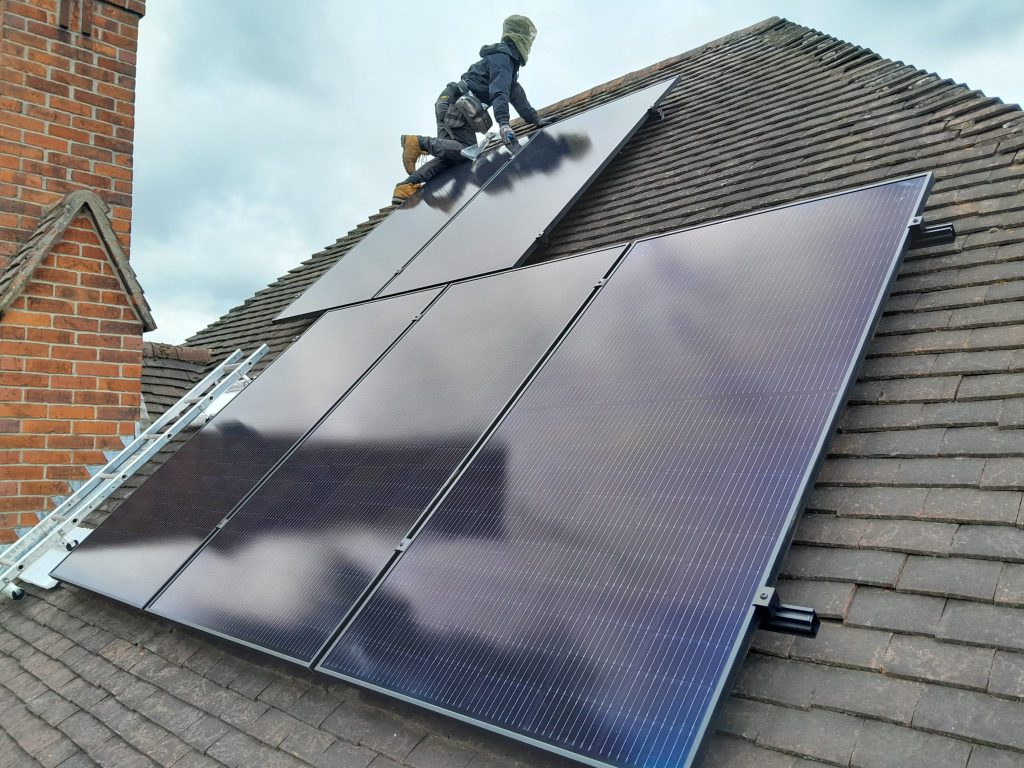
Homeowner visual checks and continuous monitoring are valuable between professional inspections but cannot replace the qualified electrical testing that an MCS-accredited installer provides. Professional inspections are recommended every five years by many industry professionals They are also warranted following severe weather, or whenever monitoring data shows a persistent, unexplained drop in energy output across multiple clear weather days.
Routine Inspection Schedule and Post-Weather Checks
A professional solar panel inspection covers visual inspection of the full solar array from ground level and roof, assessment of the mounting systems and roof structure, review of performance data against the original system design, and a check for shading changes from nearby trees or new structures that may have grown or been built since installation. Inspections before warranty expiry are particularly valuable, as they can identify hidden faults that support warranty claims before the window closes.
Electrical Testing and Thermal Imaging
Professional electrical testing includes open circuit voltage and short circuit current measurements, insulation resistance testing of DC circuits, and earth continuity testing. These identify degraded insulation, loose connections, and connection problems invisible to a ground-level visual check. Thermal imaging inspection identifies hotspots caused by damaged cells, bypass diode failures, or connection problems that produce no change on the inverter display but are silently reducing power output. Drone inspections are particularly useful for roof-mounted panels where access is restricted, allowing thermal imaging without scaffolding costs. IEC 62446-3:2017 is the recognised standard for solar panel inspection, and professional inspections should reference this standard in their reporting.
Common Issues Found During Solar Panel Checks
The most common findings during professional solar panel inspections are:
Soiling, Connection, and Electrical Faults
- Dirty panels and debris build-up: a straightforward cause of reduced output that is easily remedied through cleaning but often overlooked by owners relying on rain alone.
- Pest infestation: animals nesting or accessing beneath the solar array will cause damage and debris to build up.
- Loose connections: loose connections at MC4 connectors, DC isolators, or within the inverter cause resistive losses and can develop into more serious electrical faults or fire hazards if not caught early.
- Shading from nearby trees: trees and structures that have grown since installation create new shading patterns. Regular checks include assessing whether nearby trees need to be trimmed to restore the original solar exposure.
Inverter Degradation and Physical Damage
- Damaged cells: micro-cracks and cell damage from thermal cycling or impact reduce panel output. Often invisible from ground level but appear clearly as hotspots in thermal imaging.
- Inverter degradation: Performance data analysis and electrical testing identify early warning signs before things start to go wrong.
- Physical damage from severe weather: high winds and falling branches can damage panels, frames, and mounting systems. Post-weather inspections confirm structural integrity across the full rooftop installation.
How Regular Inspections Protect Long-Term Performance
A fault reducing a single panel’s output by 20% may seem minor in isolation. Over months and years, the cumulative loss of energy production represents a real reduction in energy savings and a real increase in electricity bills. Catching hidden faults early and fixing them promptly restores full output and prevents losses from compounding. Some faults do not stay contained; for example, a loose connection that creates a hotspot can damage cells over time. Regular solar panel maintenance keeps these from escalating into costly repairs. Well-maintained solar PV systems consistently achieve their full 25 to 30-year operational life, and proper maintenance can extend solar panels’ lifespan beyond that range.
Why Choose Tethys Energy for Solar Panel Checks and Maintenance
Tethys Energy is an MCS accredited installer with over 10 years of experience providing professional solar panel inspection and maintenance services across Reading, Wokingham, and Berkshire, with in-house expertise spanning nearly 20 years. Our inspection service covers full visual inspection, electrical testing including open circuit voltage and short circuit current measurements, performance data analysis, and thermal imaging where required. Every inspection produces a clear written report with findings, recommendations, and confirmation of the inspection standard met.
We provide ongoing maintenance and support for every system we install, and our professional service is available to owners of systems installed by other providers too. Whether you need a routine solar system health check, a post-weather inspection, or a full electrical safety assessment ahead of a warranty claim, we are here to help. Contact us today to book a solar panel inspection.
Keep Your Solar System Running at Peak Performance
Regular solar panel checks are the foundation of a well-maintained, high-performing solar installation. Monitor performance data monthly, carry out visual checks from ground level every few months, schedule an MCS-certified professional inspection at the recommended intervals, and address any identified faults promptly. The solar panel systems that deliver consistent energy savings across their full operational life are those whose owners practice proactive maintenance, not those who wait until something obviously goes wrong. Contact Tethys Energy to book a professional solar panel inspection and make sure your system is working properly.